English
Blog
_pb40i@mm38ax2v@1024x559.jpg)
Visa Launches US Domestic USDC Stablecoin Settlement: Web3 Cross-Border Payments Officially Enter Mainstream Finance
American payment giant Visa is taking a pivotal step in the history of crypto payments. According to recent reports, Visa has officially opened its stablecoin settlement network to US domestic financial institutions, allowing banks to clear transactions using USDC via the Solana blockchain. Cross River Bank and Lead Bank are the first US banks to integrate into this system.
2025-12-18 08:31
WEB3
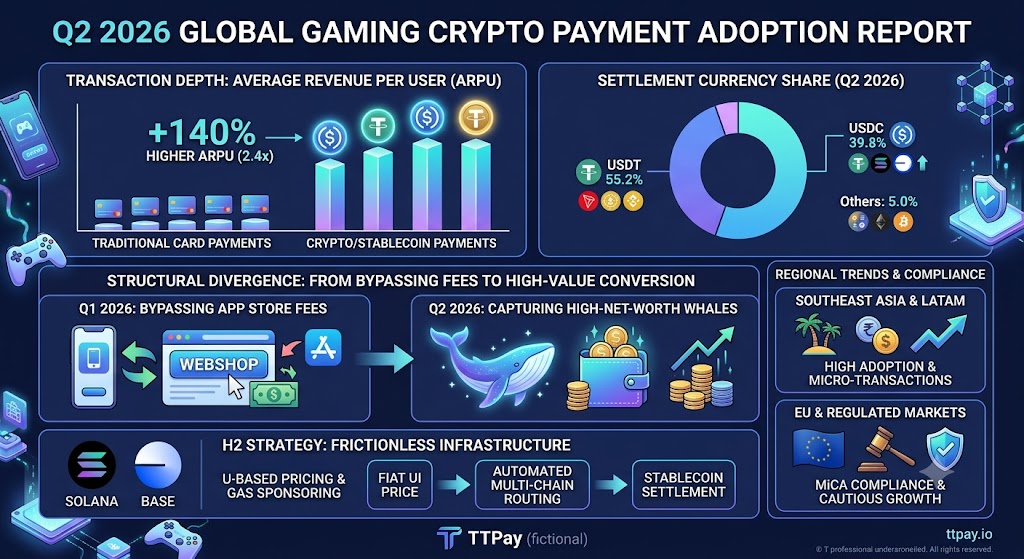
Q2 2026 Global Gaming Crypto Payment Adoption Report: Web3 "Breakout" and Widening Regional Divergence
Following the explosive growth of the "Game Webshop + Stablecoin" model in Q1 2026, the adoption of crypto payments in the overseas gaming market has exhibited a new characteristic in Q2: Structural Divergence. While Q1 was all about bypassing app store commission fees, Q2 reveals that publishers are now hyper-focused on "converting high-net-worth Web3 players" and "deepening regional compliance." Although the quarter-over-quarter (QoQ) growth rate of new merchant adoption slowed to 18.5%, transaction depth (ARPU) and user stickiness achieved a qualitative leap.
2026-07-13 07:37
Crypto Payment
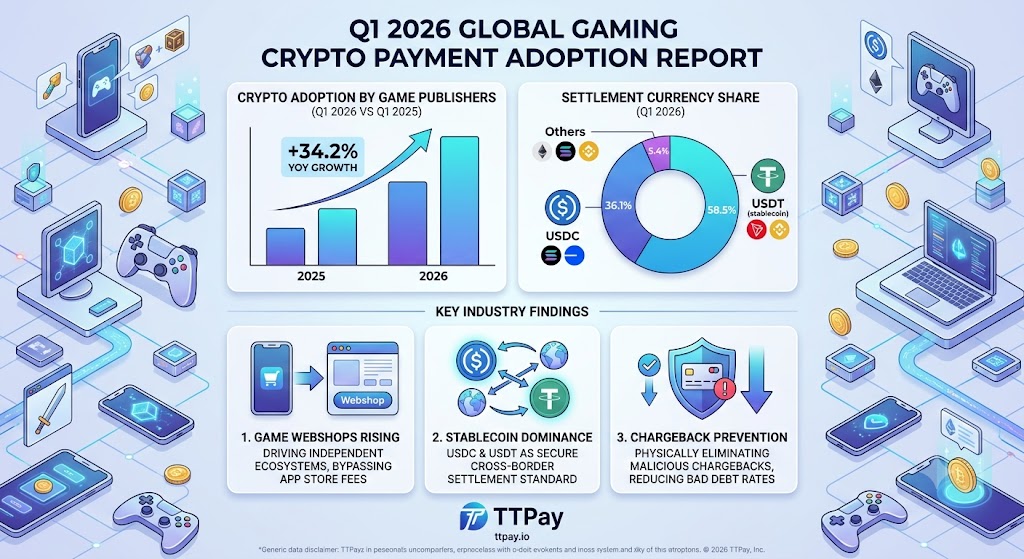
Q1 2026 Global Gaming Crypto Payment Adoption Report: Webshops and Stablecoin Settlement
In the first quarter of 2026, the global gaming industry is undergoing a profound shift in its underlying payment infrastructure. As the battle over traditional App Store and Google Play revenue cuts intensifies, Game Webshops (independent top-up centers) have become standard for mid-to-large publishers. According to this report, the adoption rate of crypto payments among global game merchants surged by 34.2% year-over-year in Q1 2026, with USDC and USDT stablecoin settlements dominating the landscape.
2026-07-10 08:12
Crypto Payment
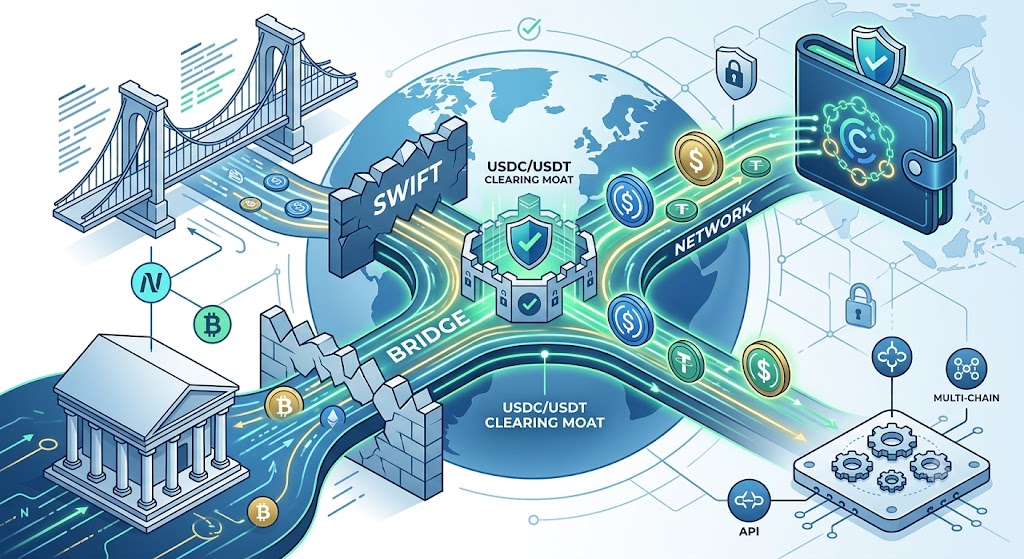
Nium Acquires Crypto Wallet Cypher: Cross-Border Payments Pivot Toward Stablecoins
Cross-border payment platform Nium recently announced its acquisition of crypto wallet company Cypher. In the fintech sector, this move signals a clear shift: traditional fiat payments and crypto payments are moving from opposition toward integration.
2026-07-09 09:00
WEB3

AI Agents Now Have "Bank Accounts": Why Crypto is the Only Choice for the Machine Economy
We can chat with AI. AI helps us write code and create images.
But can AI buy things for us?
2026-06-22 06:59
AI
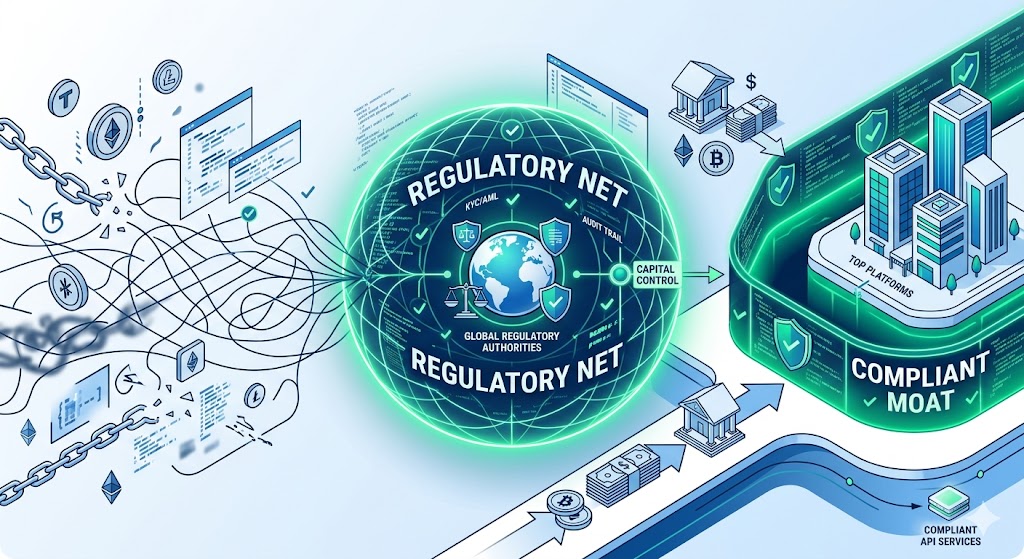
From "Wild West" to "Compliance Moat": Regulatory Breakthroughs and Macro Realities of Tier-1 Crypto Exchanges in 2026
The Web3 market in 2026 stands at a critical watershed. The bygone era of relying on regulatory arbitrage and high leverage for unfettered growth is officially over. With the deepening integration of spot Bitcoin ETFs and the sequential rollout of regulatory mandates across major global economies, compliance has transformed from a corporate cost center into the defining barrier of survival and competitive dominance.
A recent flurry of regulatory actions and subsequent strategic realignments by tier-1 exchanges are fundamentally reshaping the power structure of crypto finance.
2026-05-29 09:30
Crypto Payment
Tags:
AI
Crypto Payment
Multi-chain
WEB3